

CUSTOMER SPOTLIGHT
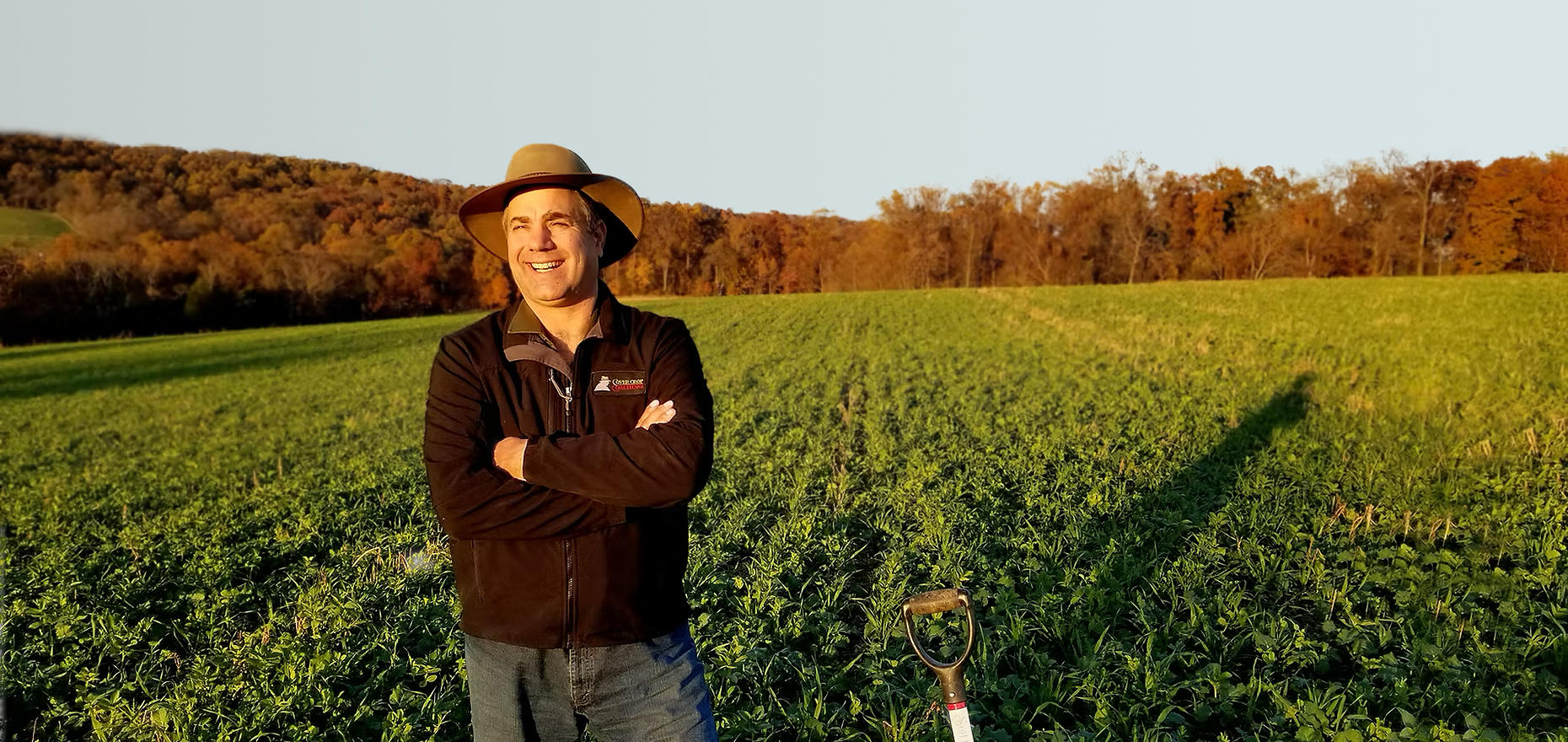
For Steve Groff, farming has never been about following trends. It has been about paying attention. On the same land his grandparents bought in 1935, Steve has spent more than four decades rethinking how vegetables are grown on his farm in southeastern Pennsylvania.
Questioning the plow
Steve always knew he wanted to farm. When he graduated high school in 1982, there was never any question what came next—he stepped directly into the family operation and began taking on more responsibility.
What he did question was whether conventional practices like tillage actually made sense.
“I remember looking at our fields after every rain,” Steve recalls. “We’d see soil washing away, gullies forming, and we’d have to fill the ditches before we could even harvest our crops. It was a pain, and it just didn’t make sense to keep farming that way.”
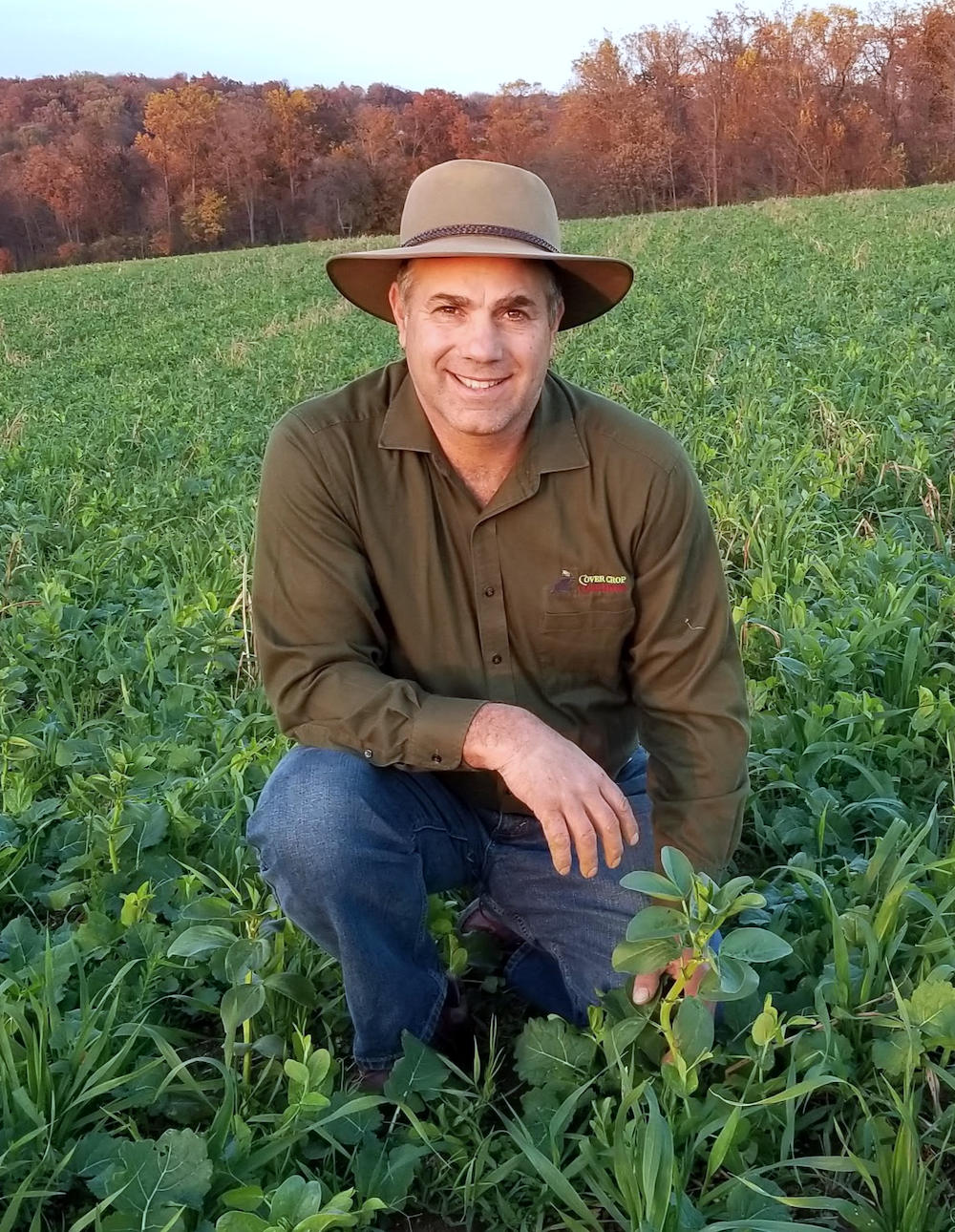
That realization led Steve and his father to stop tilling the soil, an uncommon decision in the area at the time. As the benefits became clear—healthier soil, fewer washouts, and less rework—the Groffs expanded the practice across the farm, proving that even tomatoes, pumpkins, and squash could be grown without tillage.
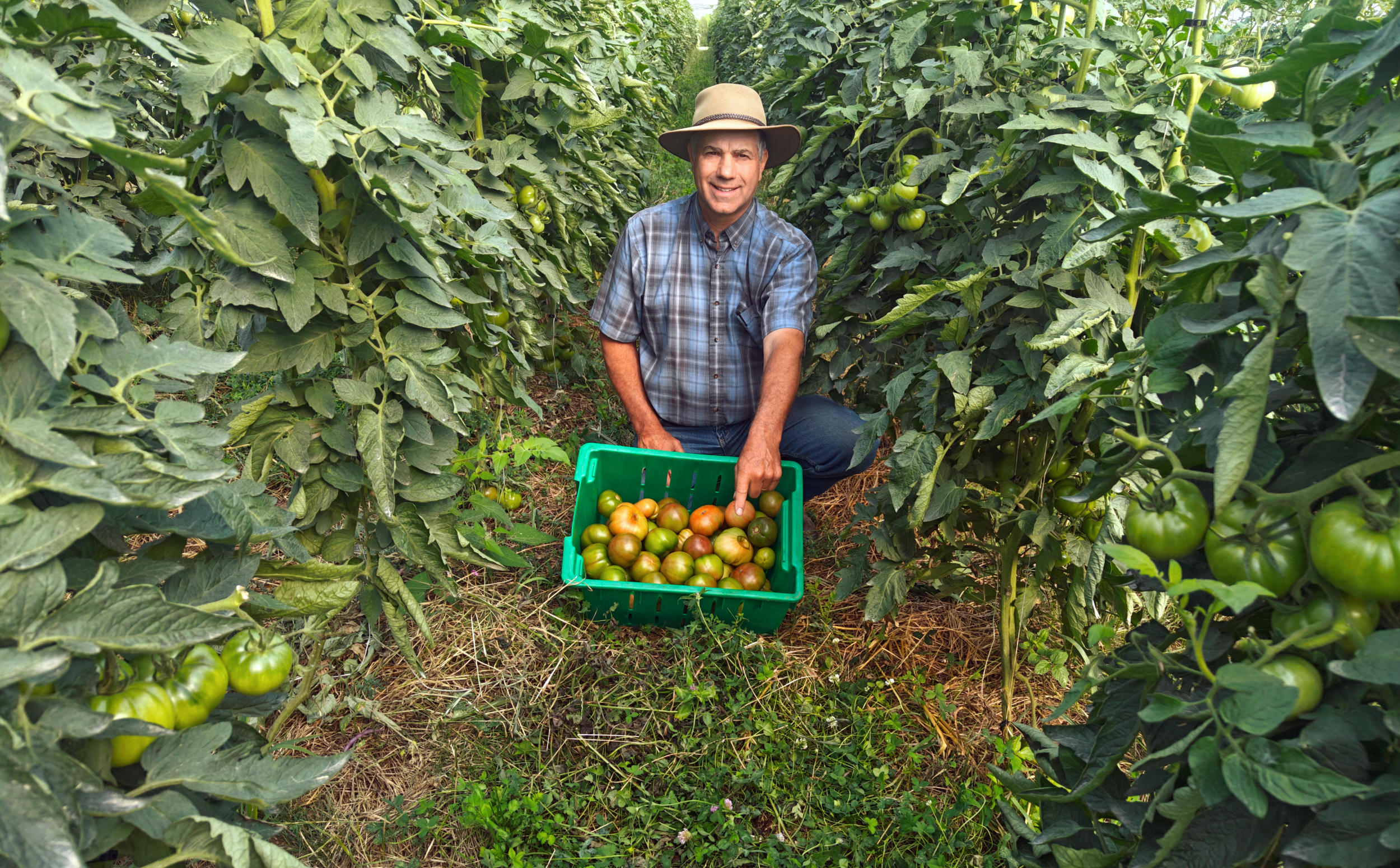
No-till solved the issue of erosion, but the soil still needed rebuilding between vegetable crops. In the 90s, Steve went all in on cover crops, experimenting with different species and mixes to strengthen the system long term, sharing what he learned with other farmers along the way.
“At first, people would say, ‘That’s nice, Steve—but I can’t do that,’” he remembers. “Now, thirty some years later, cover crops are much more mainstream. That’s been rewarding to see.”
Regeneration with a mission
In 2023, Cedar Meadow Farm was awarded Regenified’s highest Tier 5 certification, recognizing rigorous standards for soil health, biodiversity, and ecosystem function. Steve was the first vegetable grower in the U.S. to earn that designation—and he’s maintained it ever since.
For Steve, the certification isn’t the goal. It’s validation of decades of work improving soil health and food quality.
“My motivation now is to grow healthier food,” he says. “Everything I’ve been doing since 1982—no-till, cover crops, diversity—that’s the foundation for more nutrient-dense produce.”
Steve is clear-eyed about how agriculture is incentivized today, where yield—not nutrition—drives most decisions. Still, he sees regenerative practices as a way to begin shifting that equation.
“When I test my squash and see nutrient levels that are higher than the USDA average, I consider that a win,” he says. “Nobody knows what the limit is, but 43 years later, I’m still learning and testing.”
As Steve sees it, regenerative ag isn’t about finding a single solution or checking a box. It’s about observing how the system responds, making adjustments, and continuing to refine the picture over time.
“Regenerative ag isn’t the missing puzzle piece to complete your farm,” he explains. “It’s about rearranging the picture.”
The relationships that power regeneration
A critical piece of Cedar Meadow’s picture is labor. As a manually intensive vegetable farm, Steve credits much of their success to a reliable crew of 10 seasonal H-2A workers from the same family and village in Thailand—who have returned each year since 2004. Their relationship runs far deeper than a contract.
“I eat sticky rice with them. We’ve talked about me visiting their village someday,” he explains. “If you need people to work early mornings, long days, or in the rain, you have to earn that trust.”
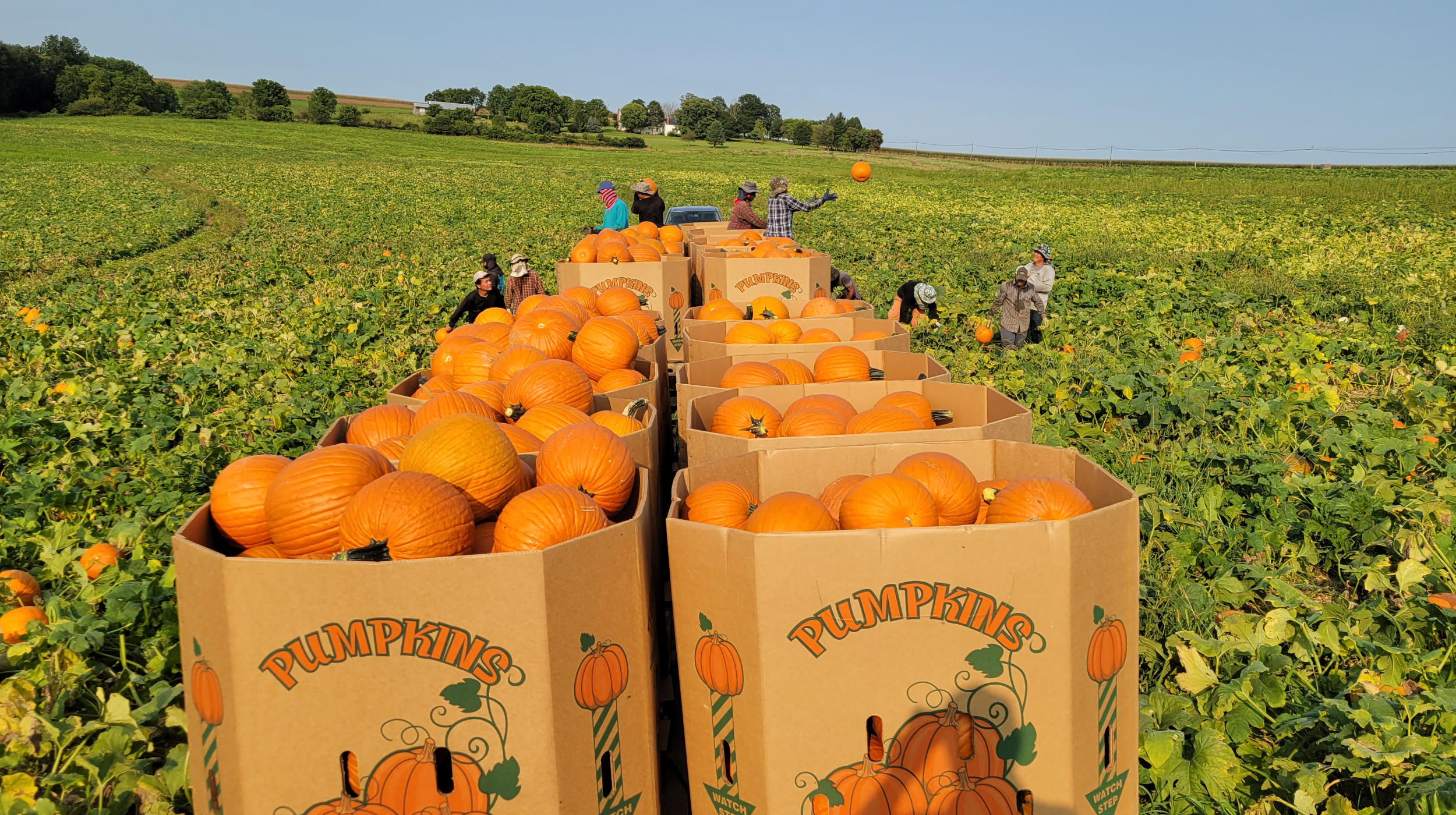
That mutual trust has had a lasting impact. One longtime worker, who first arrived in 2006, eventually earned a green card and brought his family to the U.S. His children went on to graduate from American colleges and open a Thai restaurant in Phoenix—while he continues to return to Cedar Meadow each season as one of the farm’s most trusted hands.
“That’s the American dream,” Steve says simply.
Freeing up time to focus
Besides labor, time has always been Steve’s scarcest resource. Managing the paperwork required to bring back his crew each year came at a direct cost to the work he’s most passionate about: growing, marketing, and selling his produce with intention.
“I’m a self-learner,” he says. “But I can’t be spread too thin. I gotta do what I do best—and that’s farm.”
Through the Farm Labor Stabilization and Protection Pilot Program, Steve found support from Seso to handle the administrative side of employing H-2A labor, giving him the peace of mind to focus on his mission.
“I don’t want to be looking over my shoulder,” he explains. “I want to know that someone has my back.”
Since partnering with Seso, Steve estimates the time he spends managing his H-2A program has dropped by roughly 75 percent—time he’s redirected toward refining his products, marketing them in today's intensely competitive environment, and planning for the farm’s future.
“If something were to happen to me, everything would go on—because Seso could handle it,” Steve says. “It’s nice knowing someone could easily pick it up.”
Passing it forward
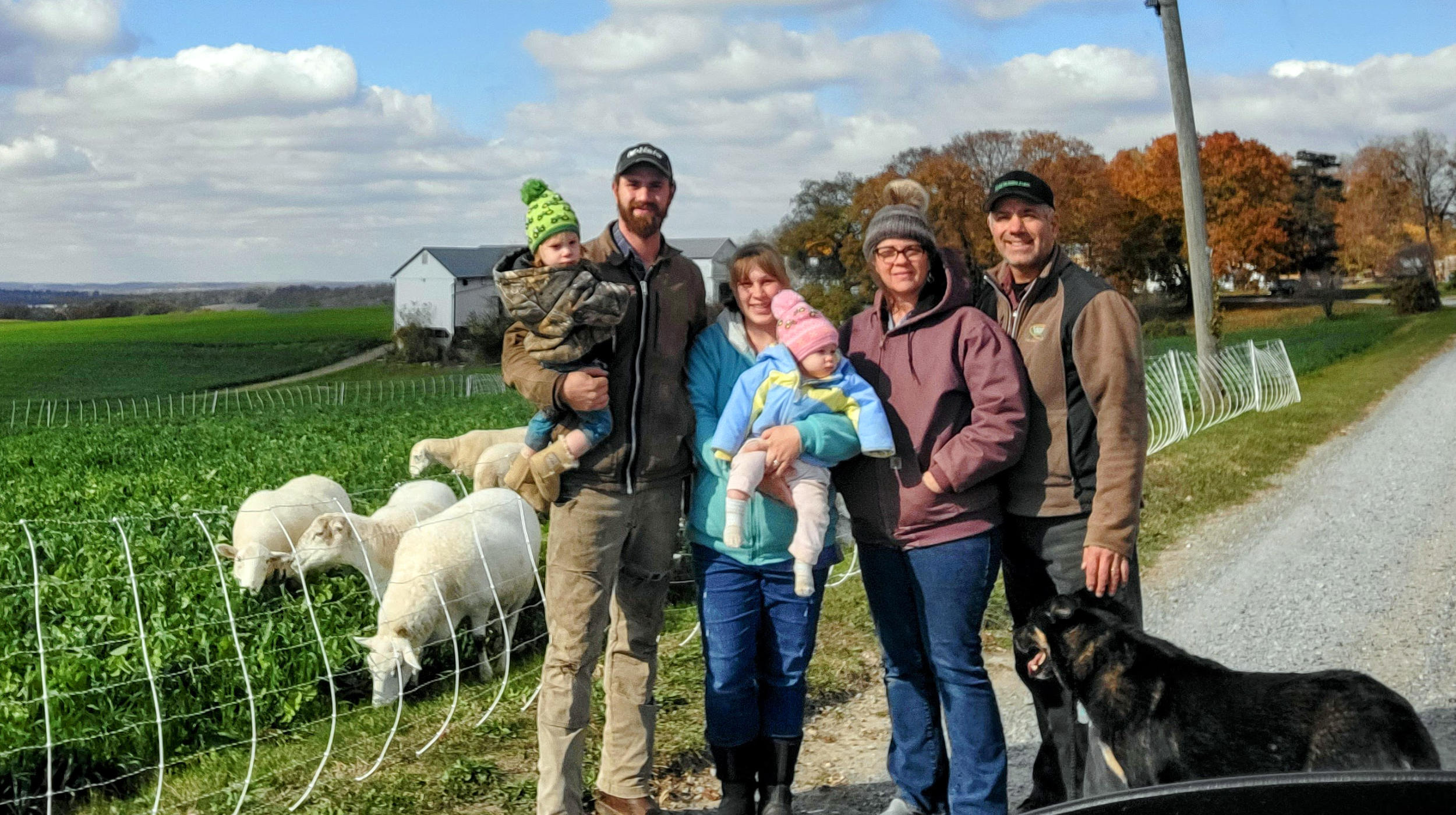
With more time to think long term, Steve has been intentional about setting Cedar Meadow up to last. He has already transitioned formal ownership to his son and daughter-in-law, allowing the next generation to take the reins on their own terms.
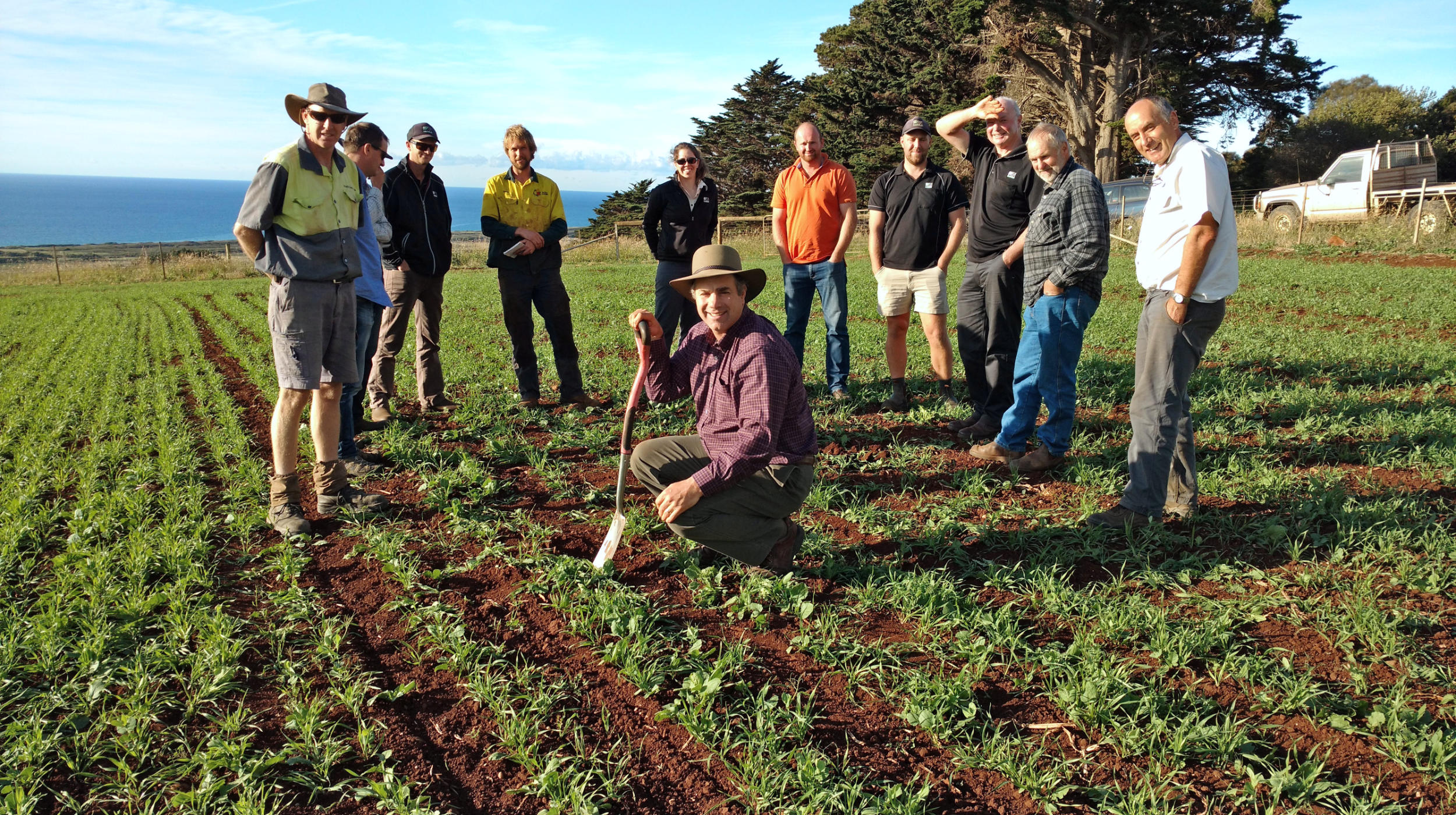
Steve also continues to share decades of hands-on experience with farmers around the world.
“Find mentors who are actually doing what you want to do,” he says. “Not just talking theory or writing about it—but living it.”
He’s equally clear that regenerative farming doesn’t have a one-size-fits-all playbook.
“Context matters,” Steve adds. “What works in Pennsylvania may look very different in California.”
More than his words, the last four decades stand as a testament to Steve’s living legacy of practices that produce healthier food and farms.
Photos courtesy of Steve Groff and Cedar Meadow Farm.
Join the hundreds of farms and FLCs who work smarter with Seso