Customer Case Study
Orchard Dale Fruit Co.: Modernizing the back office of a seventh-generation operation

Running 120 H-2A workers a year out of a one-person office
Quick Facts
Operation: Orchard Dale Fruit Co.
Location: Waterport, New York
Crops: Apples, Blueberries, Strawberries
Workforce: 120 H-2A workers annually
Customer since: 2024
Seso products used: H-2A filing & compliance software, H-2A worker services, digital worker onboarding, payroll software, paycards
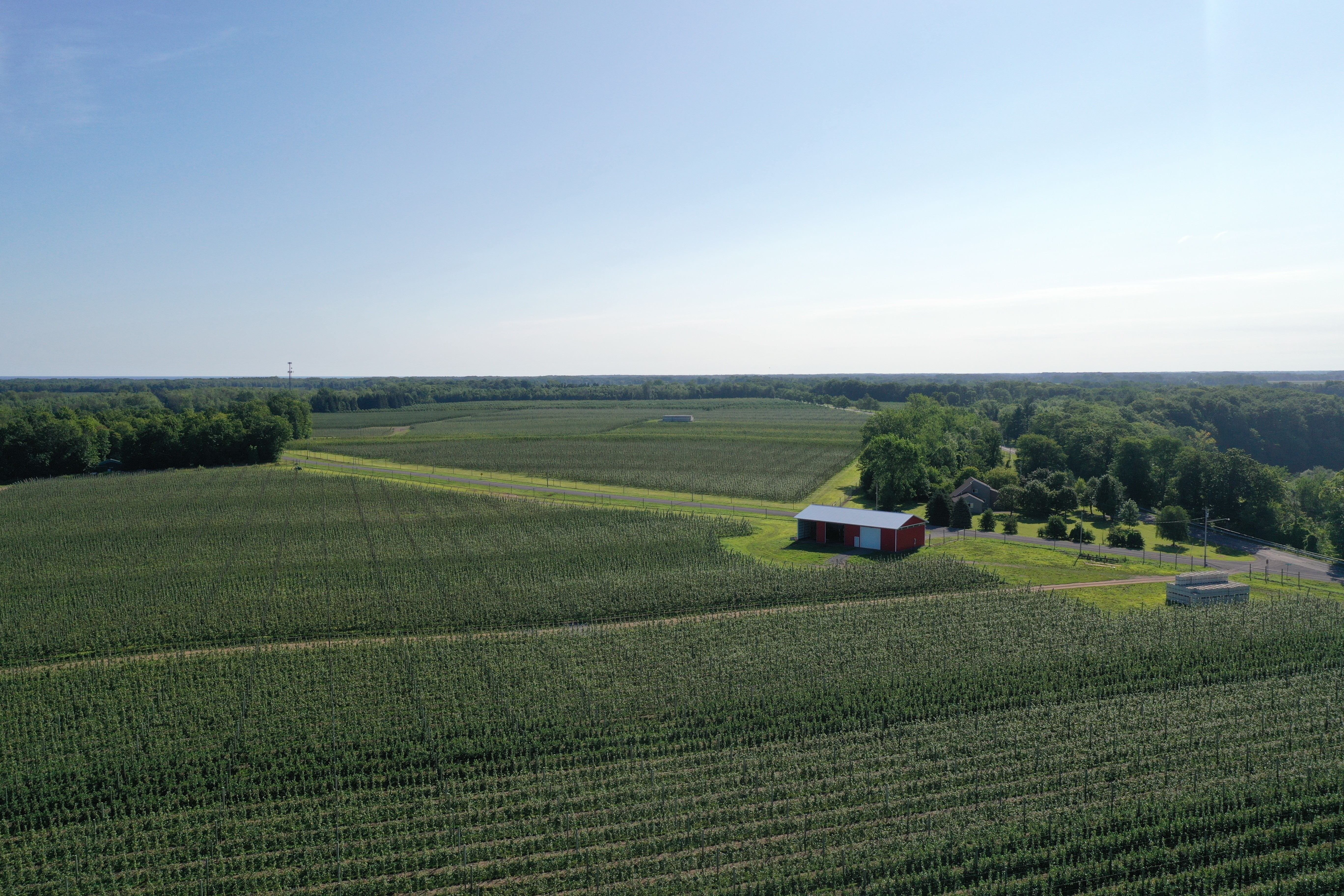
Problem. Beth Brown runs the office of a 400 acre apple farm. Every season about 120 H-2A workers arrive across three separate entry dates, and every one of them used to mean printed forms, signatures chased in person, copied IDs, and a paper file. Onboarding a group took three days before safety training could start. Upstream, she had no line of sight into the consulate process and could not say within a week when her crew would land.
Solution. Orchard Dale signed with Seso in August 2024, went live on payroll that January, and had its first H-2A worker on the farm in March 2025. Seso now files the farm's job orders, runs recruitment contact and consular scheduling out of its Monterrey office, completes onboarding packets before workers reach New York, and handles payroll, paycards, and a worker app that holds each worker's documents and pay stubs.
Result. Brown can now pinpoint arrival within about 12 hours instead of guessing at a five day range. She has stopped printing onboarding paperwork and stopped opening paper files for new workers. Safety and worker training no longer compete with new hire forms for the same three day window. And for 2026, all three of the farm's staggered contracts were filed and approved.
“Now I don't print anything. Their paperwork is done before they get here."
- Beth Brown, Co-owner
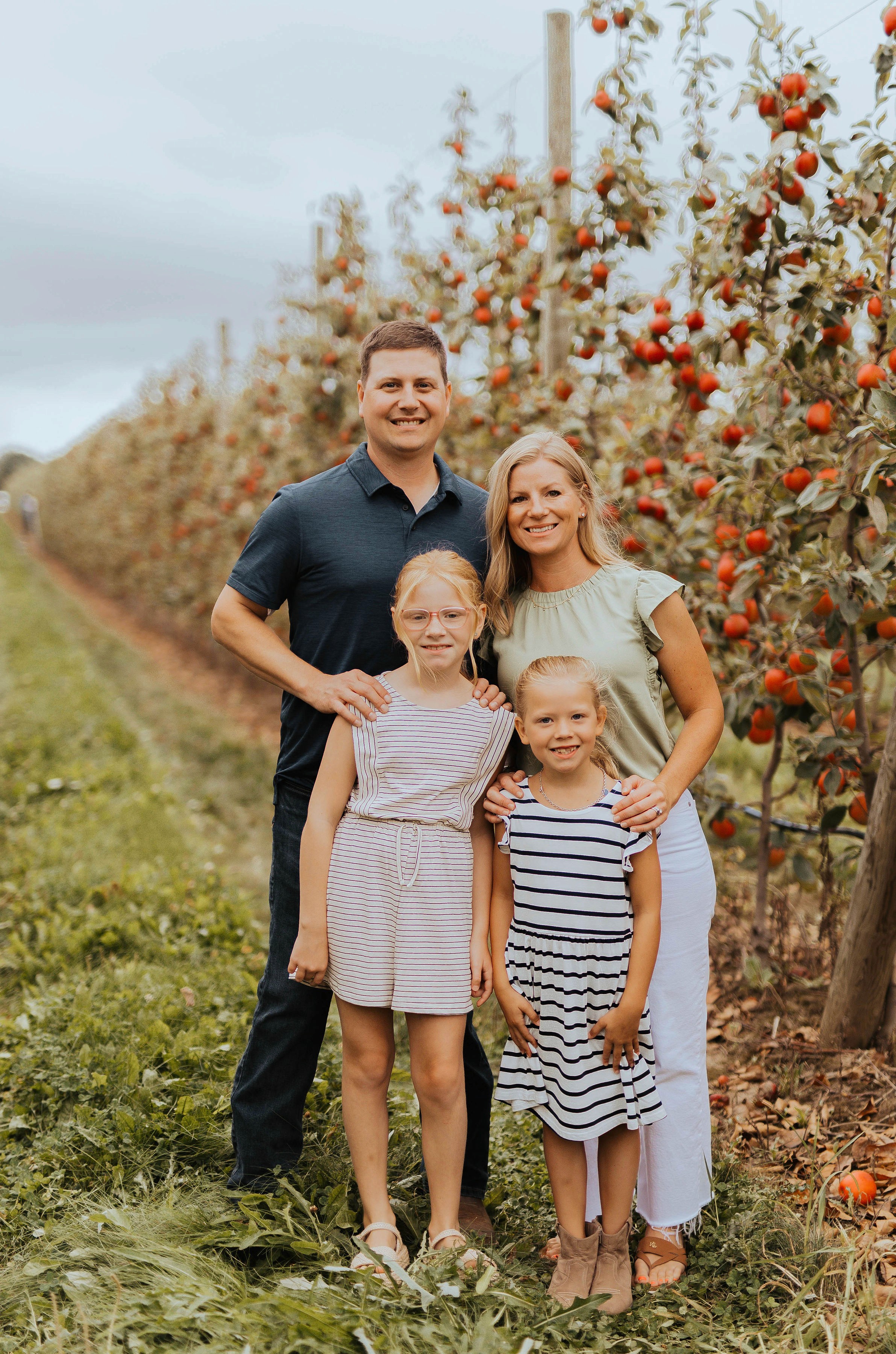
Seven generations on the Ridge
Orchard Dale sits in Orleans County, on the ground along the south shore of Lake Ontario where most of western New York's apples grow. The Brown family has farmed it since 1804. Bobby Brown is the seventh generation, and this year he was named Apple Grower of the Year.
The last decade reshaped the place. When Bobby's parents retired, the Browns transitioned away from retail and focused on wholesale. They have added roughly 150 acres of apples since, grafted over or replanted more to modernize the trellis systems, and cut a pick your own varietal list that once ran past 25 down to a tighter mix built around what pays in fresh market. Bobby also keeps a standing partnership with Cornell Extension, hosting trials most seasons, lately on smart sprayer technology that times nozzles to put chemistry only where the tree needs it.
Beth handles payroll, H-2A filing, onboarding, and compliance. She also sits on the U.S. Apple Association board.
“You always felt kind of in the dark”
Before Seso, Brown knew roughly what week her crew might show up. Not much beyond that.
“I knew the week, but it could be in two days, or possibly in five days,” she says. “I didn't have more specific information than that.”
“You always felt in the dark. The work was always done and they always got here, but there was a lot of stress associated with it, because you weren't sure if everybody had been contacted.”
That uncertainty ran downhill to the workers. When four or five got their consulate call on a Friday and the rest did not, word traveled, and the WhatsApp and Facebook messages landed on Brown's phone over the weekend.
"Now I don't print anything"
“The paperwork was a huge game changer for me. That really changed my workload for the whole season, because I'm pretty much a one person office operation,” Brown says. “When you have 120 workers a year come in, you're doing all the paperwork. Printing it out, filing it, taking the time to get everybody to sign it.”
Two seasons in, the paper file is gone.
“Now I don't print anything. Their paperwork is done before they get here. I don't make any copies of their IDs since they are all stored digitally. It has saved me an immense amount of time, and organization too. Any new employee who has come on with Seso, I've stopped making any type of paper file.”
The arrival guessing game went with it. “I can pretty much pinpoint within 12 hours of when our workers are going to be here on site,” she says. “It's given me more visibility of knowing who has actually been contacted, who we are missing. This makes the recruiting process less stressful.” Once visas are issued, she knows how many days until the bus pulls in. For a farm staging housing, transportation, and payroll around three entry dates, that is the difference between scheduling and hoping.
What she notices most is where the freed up time goes. Safety training used to sit in the same three day crush as the forms, in front of workers who had just finished several days on the road.
“They would check out, like anybody,” she says. “You feel like you aren't so rushed when you want to administer the important safety trainings, worker trainings, all of those things you really want to spend time on so that you don't have issues down the road.”
Where they're headed
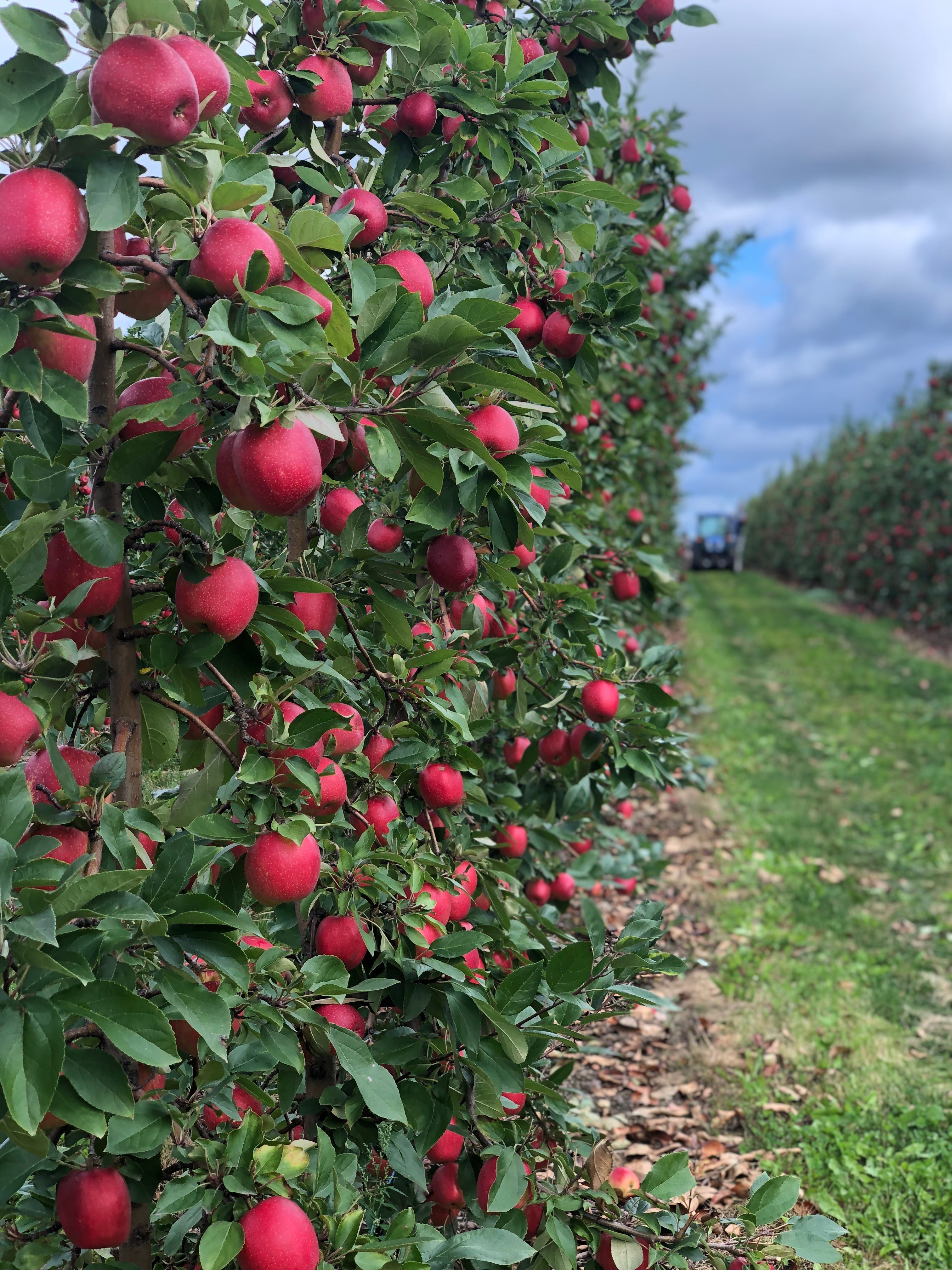
After a decade of hard growth, the Browns are continuing without stopping. Still planting or grafting every year. Prioritizing trials with Cornell on precision orchard management, chasing yield and cutting waste on chemistry that gets more expensive every season.
“Everybody wants to grow,” Brown says. “It’s important to always have to have some kind of progress, right?”
Photos courtesy of Orchard Dale Fruit Co.
Únete a las cientos de granjas y FLCs que apoyan a sus trabajadores con Seso